Downtown
Downtown New Castle, Pennsylvania, was a thriving industrial and commercial center marked by rapid growth and prosperity. It was famously known as the tin plate capital of the world due to the Shenango Tin and Steel Company’s extensive mills, making tin plate manufacturing its dominant industry. The population swelled as waves of immigrants from Europe, particularly Italians, Welsh, and Greeks, flocked to the city to work in the mills and settle in ethnic neighborhoods, contributing to a culturally diverse community. The downtown landscape featured beautiful early 20th-century buildings such as the Scottish Rite Cathedral, St. Mary’s Church, and the Castleton Hotel, which still stand as historic reminders. New Castle also earned unique nicknames during this time: the “hot dog capital of the world” for its famous Greek immigrant chili dog restaurants, and the “fireworks capital of America,” home to renowned fireworks companies like Zambelli and Pyrotecnico.
-
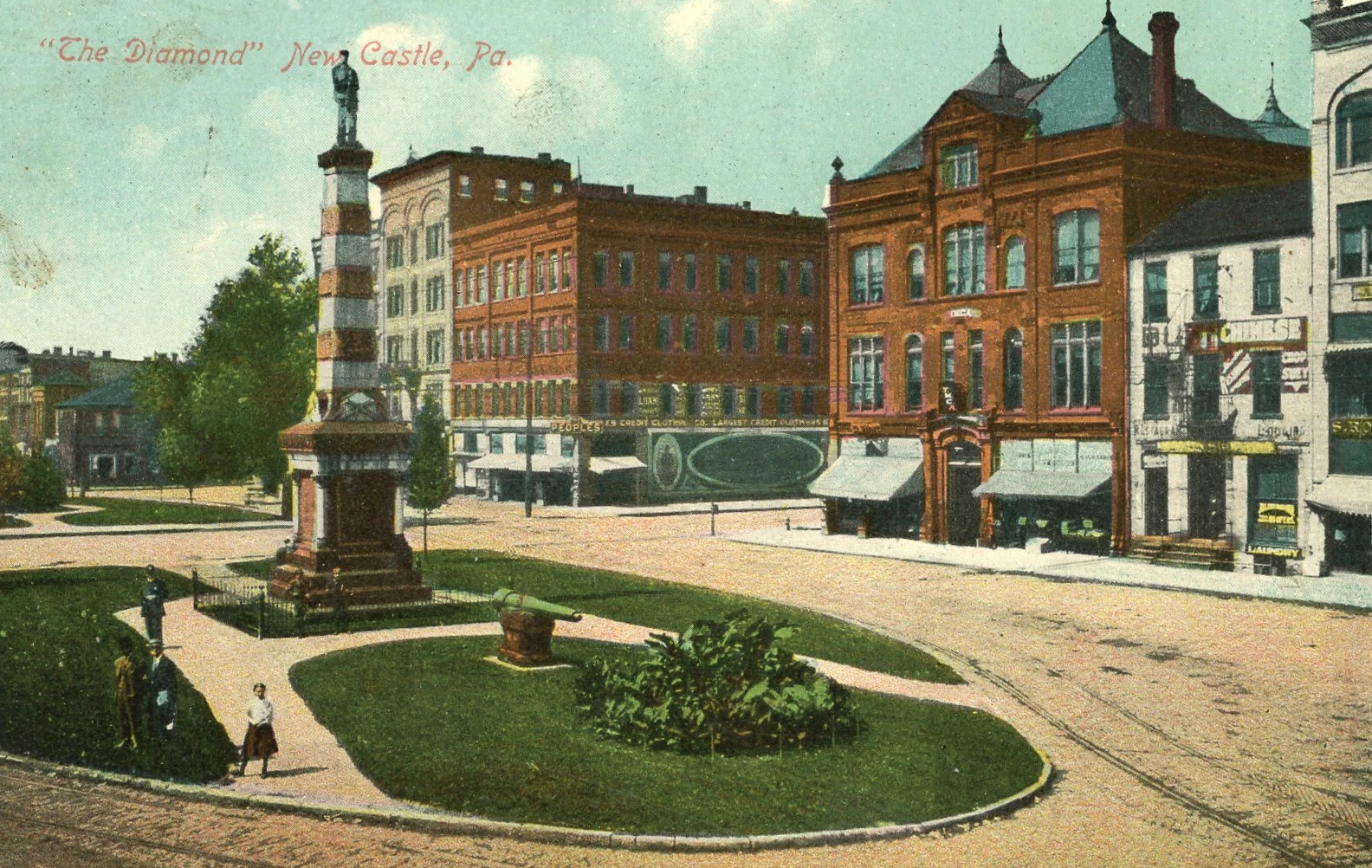
The Diamond
The Diamond in New Castle, Pennsylvania, is a historic public square located at the intersection of Washington and Jefferson Streets in downtown New Castle. It was part of the original town plat laid out in 1798 by surveyor John Carlysle Stewart, who designed the town around this open market space measuring approximately 440 by 190
-
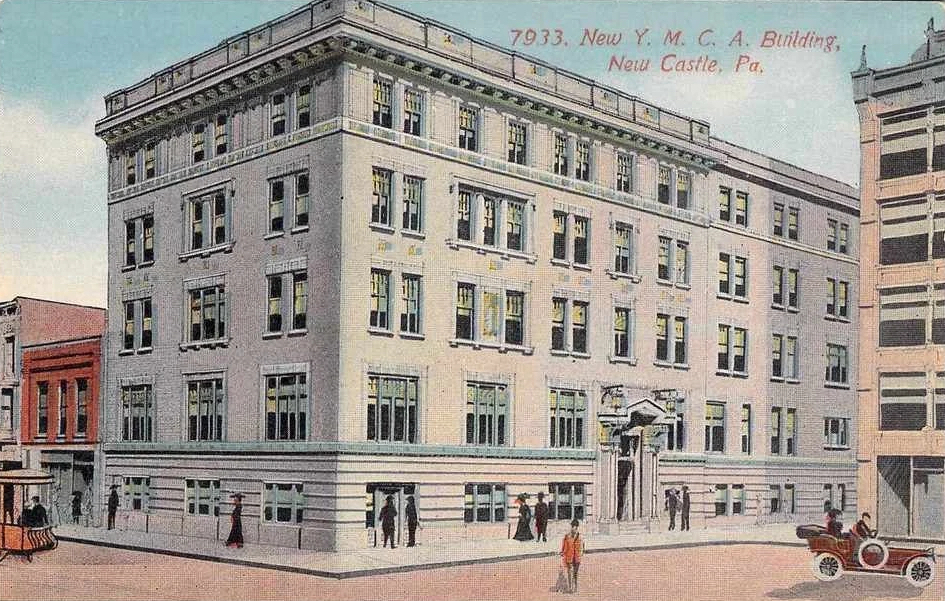
New YMCA
The YMCA in New Castle, Pennsylvania, has a rich history dating back to its chartering in 1867, making it one of the earliest branches of this Christian men’s organization in the United States. Today, the Lawrence County YMCA, in a new building on Washington Street, continues as a hub for community engagement, recreation, and social
-
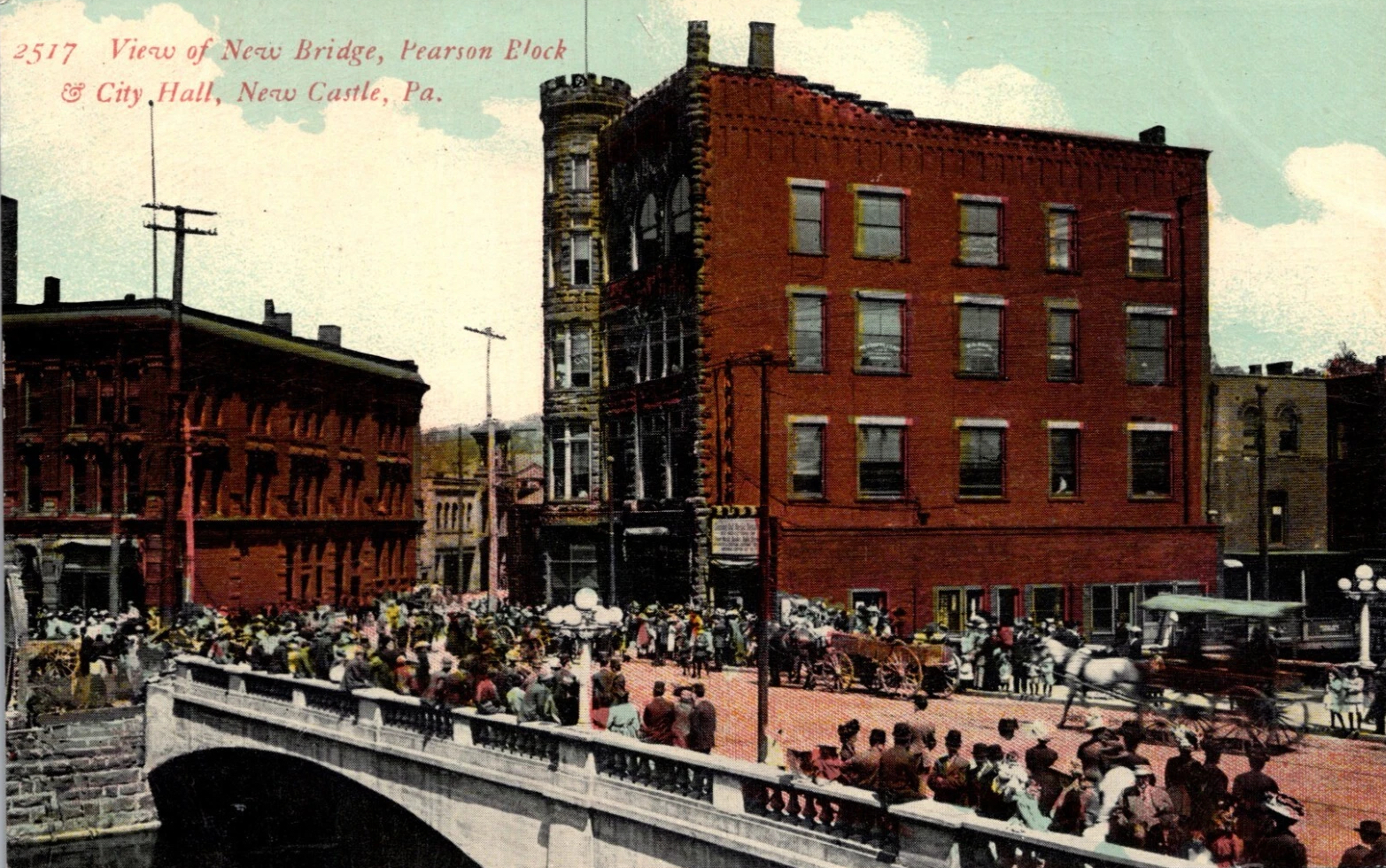
Pearson Block
The Pearson Block in New Castle, Pennsylvania, was a commercial building constructed in the late 1880s and opened for business around April 1891. It was also known later as the Johnson Building. The brickwork of the Pearson Block was done by a well-known brick layer named George. The building was eventually demolished in 1973. The
-
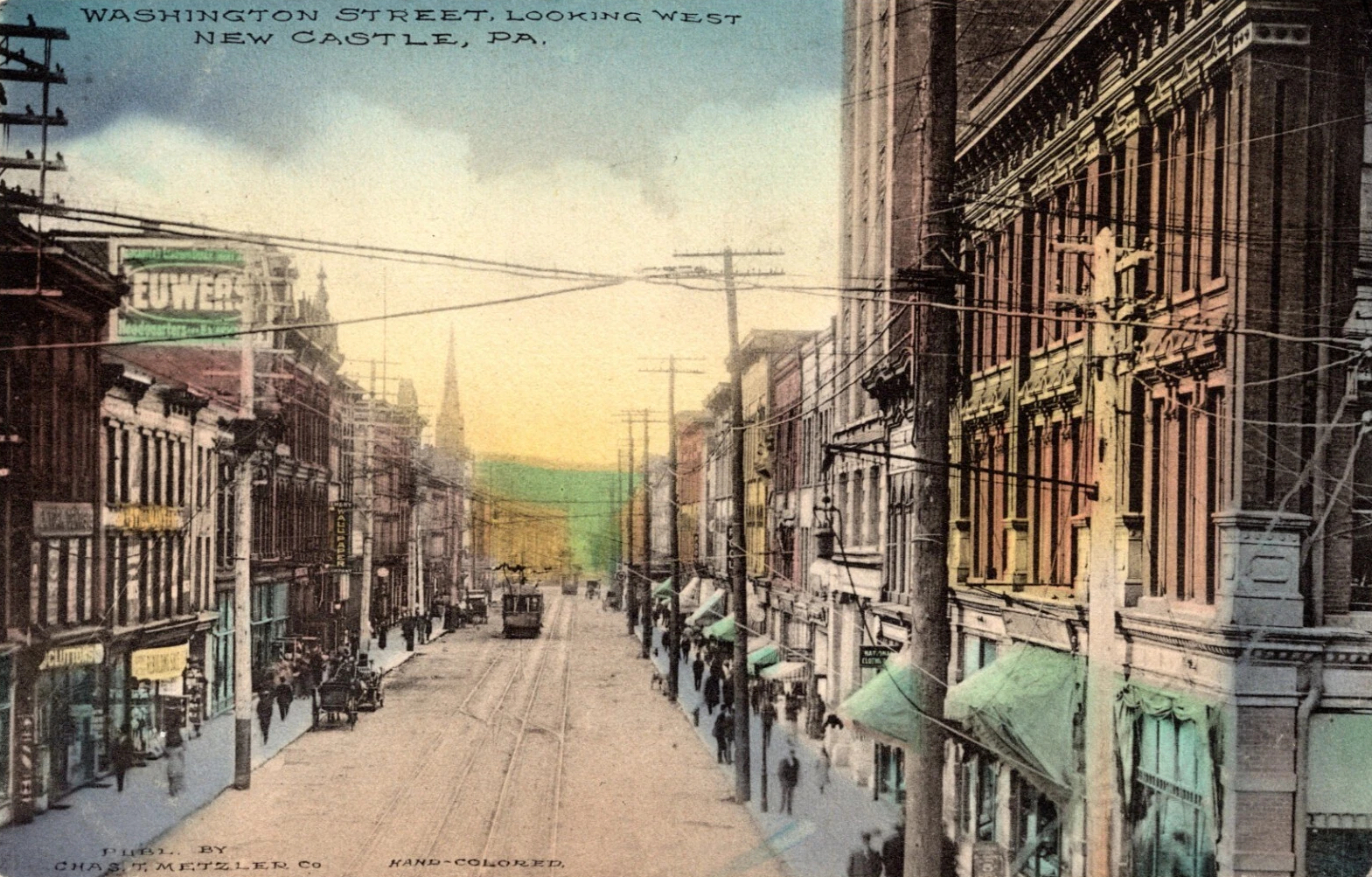
Washington Street
Washington Street in New Castle, PA is one of the original main thoroughfares laid out when the city was established in 1798 by John Carlysle Stewart. Stewart designed the town after the plan of Philadelphia, naming Washington and Jefferson as the two main streets and situating a central “Diamond,” now known as Kennedy Square, at
-
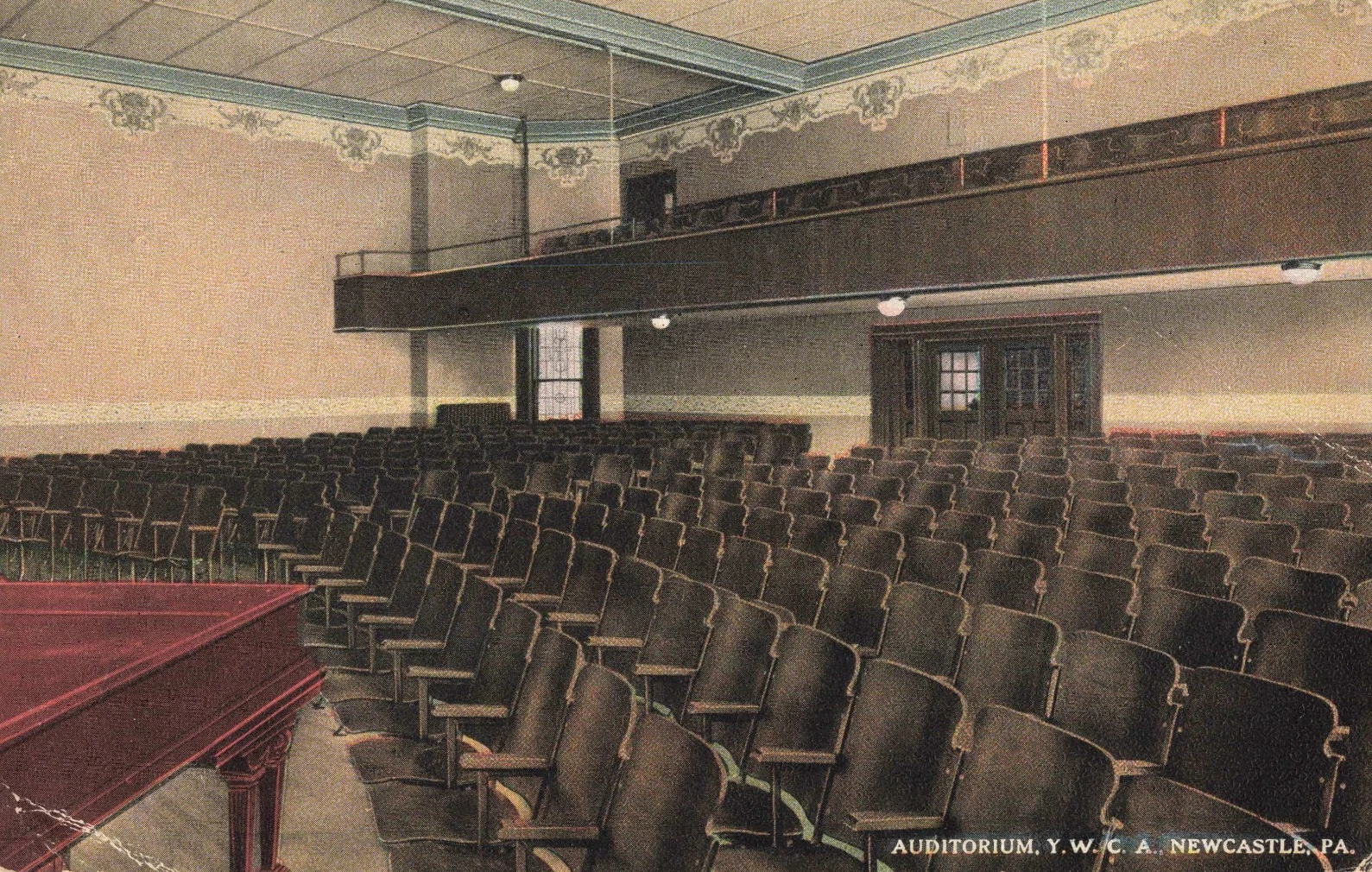
YWCA Auditorium
The YWCA in New Castle, PA has a rich history dating back over a century. The New Castle branch of the Young Women’s Christian Association was founded in 1907 and formally incorporated in 1910. The organization was chartered in 1908 and initially rented space at several locations before purchasing a dedicated building in 1914 on
-
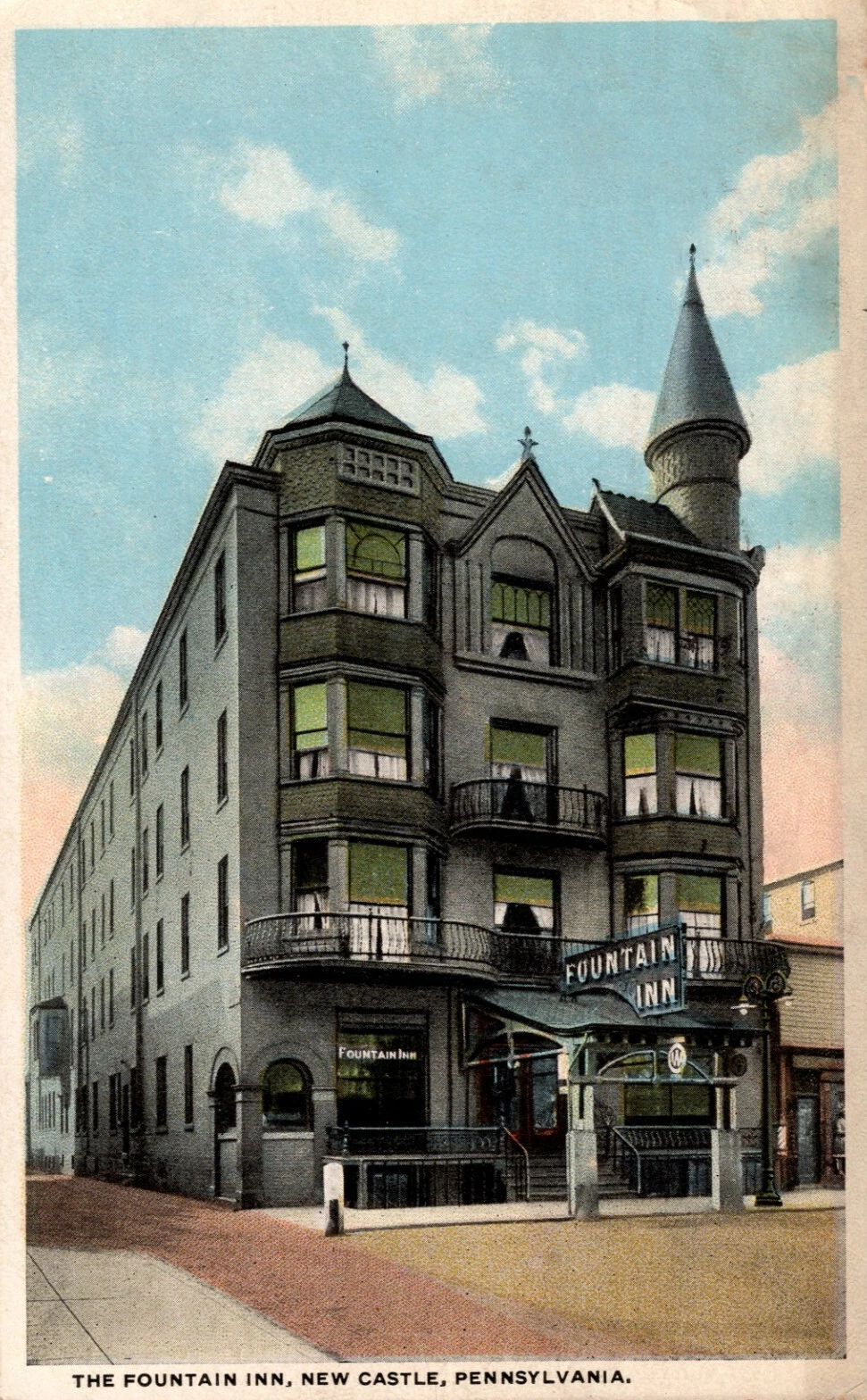
Fountain Inn
The Fountain Inn in New Castle, Pennsylvania, was a historic four-story brick hotel originally built between 1851 and 1852 as the Cochran House. Renamed around 1881 for its four lion head fountains that provided water for horses, it was located on the city’s central Diamond square and was once considered one of western Pennsylvania’s best
-
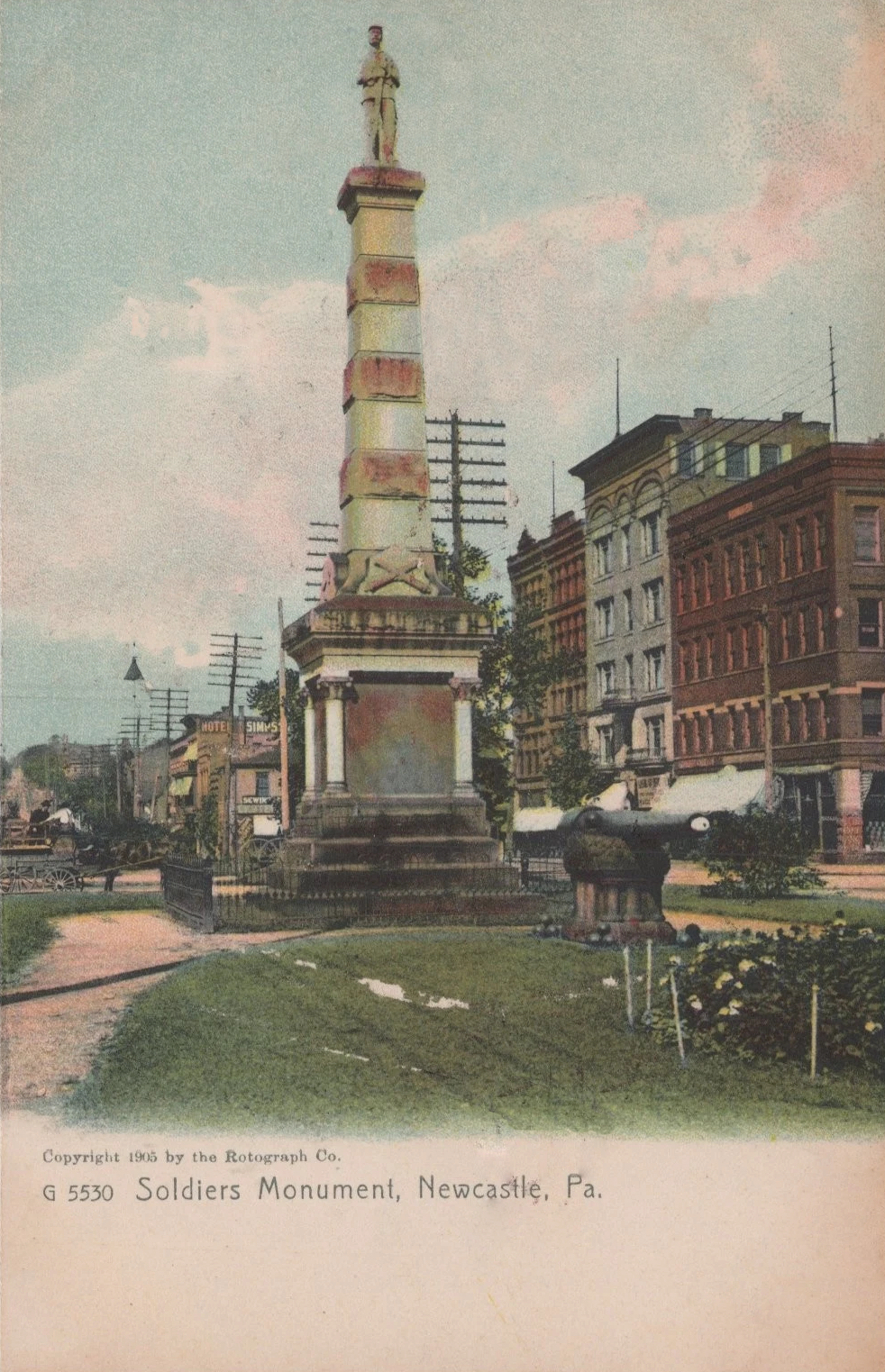
Monument
The Soldiers Monument is dedicated to the local men who died fighting in the American Civil War. The monument features a statue of a lone Union soldier placed atop a large granite base. The statue was sculpted by John Hart and was officially dedicated on Memorial Day, May 30, 1898. The square was named “Kennedy
-
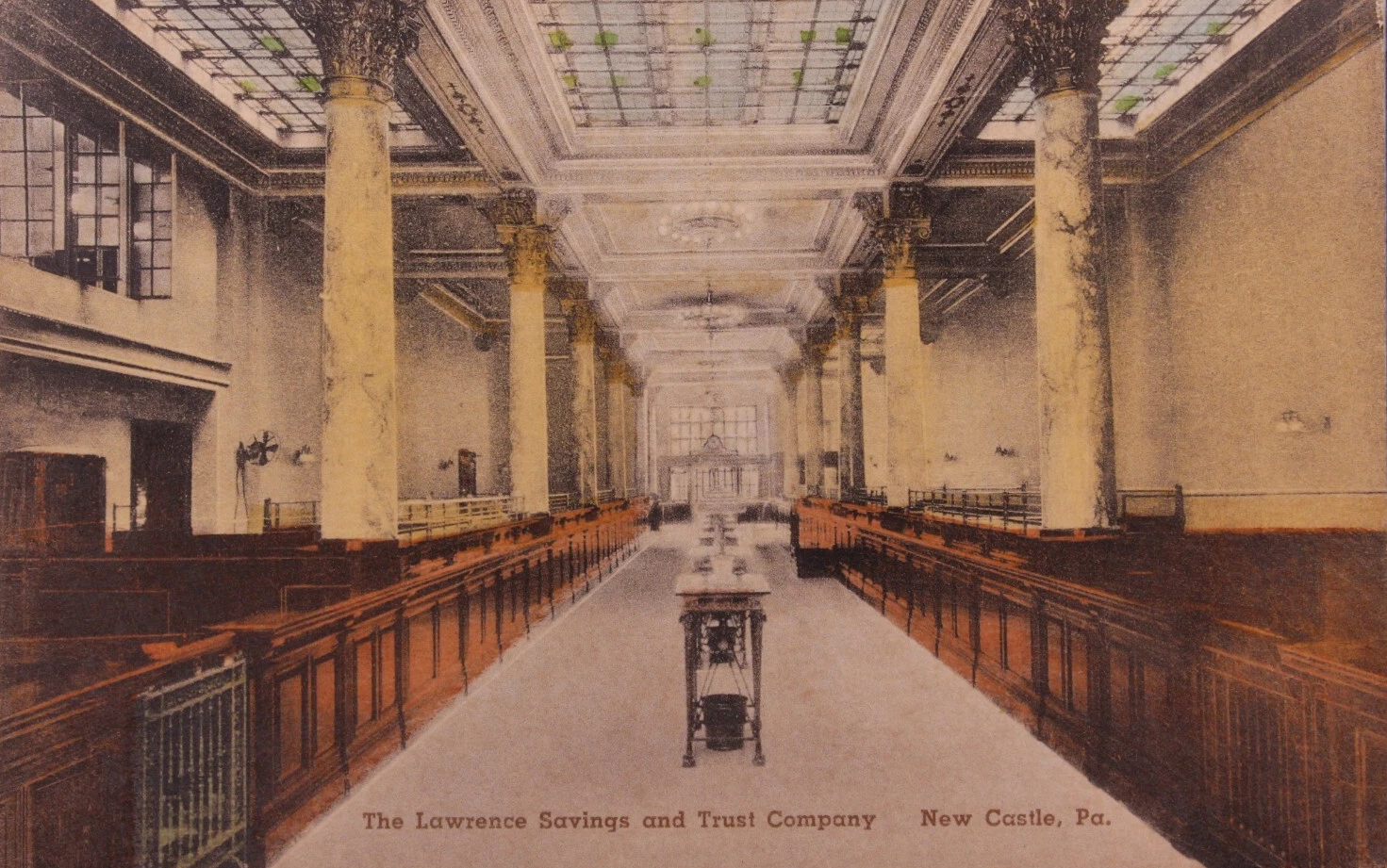
Lawrence Savings and Trust
Born from the ambition of New Castle’s prominent businessmen in 1901, The Lawrence Savings and Trust Company quickly established itself as a paragon of financial strength. Housed in a magnificent seven-story fortress of polished granite and red brick at 125 East Washington Street—once hailed as one of western Pennsylvania’s finest banking structures—it was renowned for
-
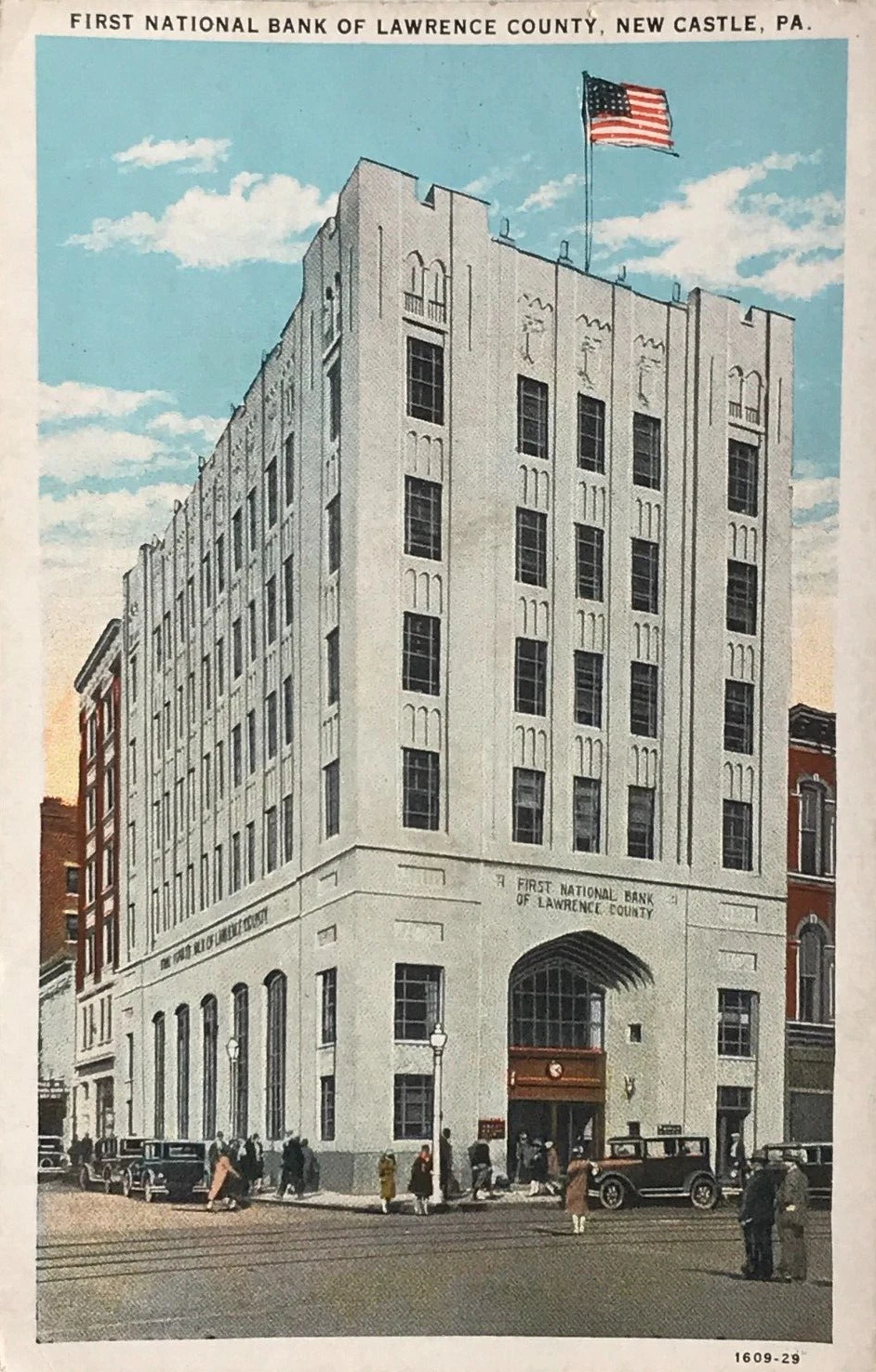
First National Bank
With roots stretching back to 1864, The First National Bank was a cornerstone of New Castle’s economy for over six decades. Evolving from earlier local banks, it grew to become a key financial pillar for the city’s commerce. Its story culminated in a 1927 merger with the National Bank of Lawrence County, forming a new
-
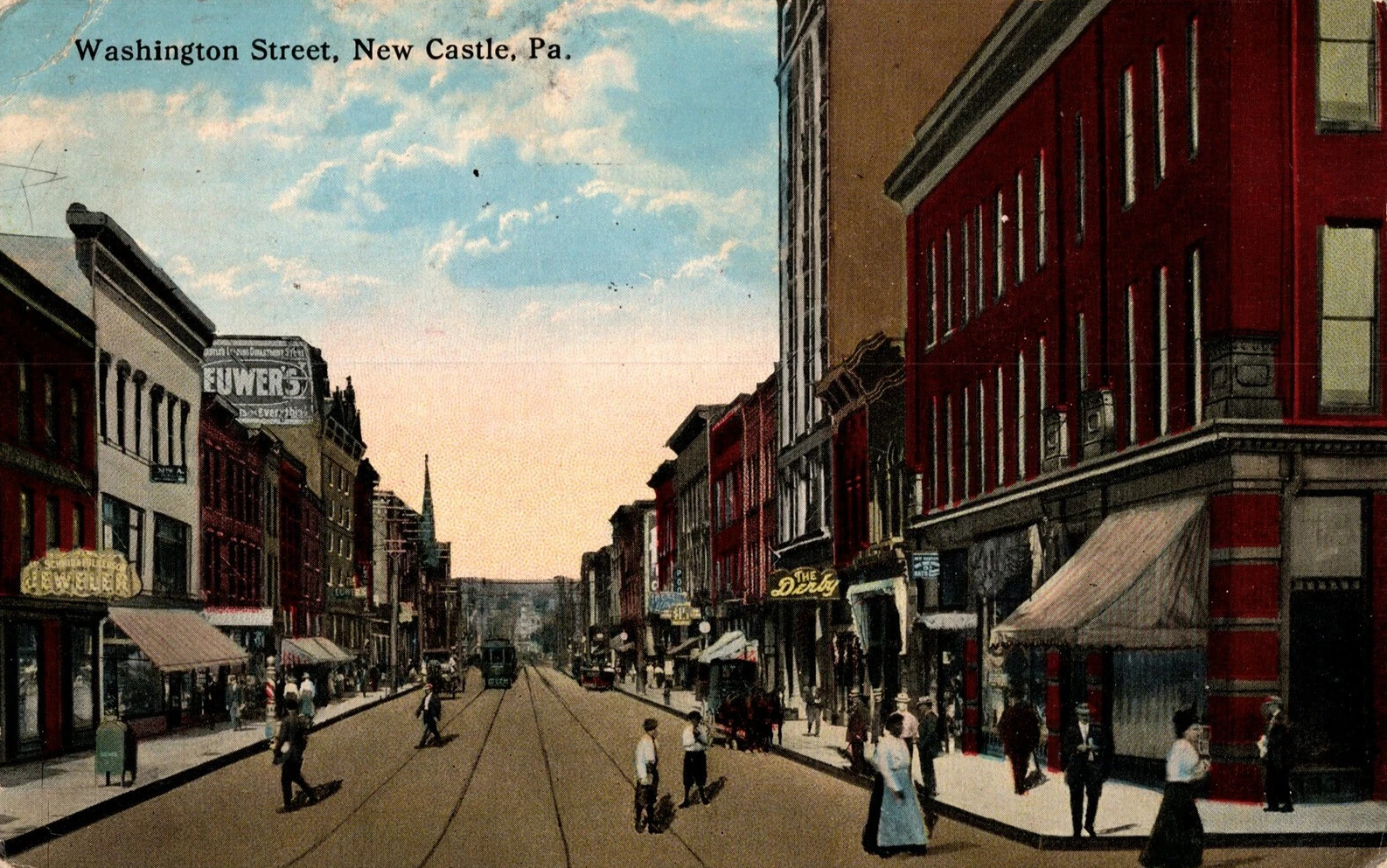
Washington Street
Washington Street in New Castle, Pennsylvania, is one of the city’s two main streets laid out in the original town plan by John Carlysle Stewart in 1798, alongside Jefferson Street. These streets cross at what is now known as Kennedy Square, historically called the Diamond or Central Square, which was intended as a central public